At the SMX Advanced conference in Seattle last week, the keynote session with Matt Cutts has become an expected feature, but it’s also one of the most highly anticipated and attended sessions of the entire conference. The search engines love to take advantage of search marketing conferences to make major announcements, and Matt Cutts has been known to drop both major and minor bombshells during these sessions. For instance, during last year’s session, he stated that the practice of “link-sculpting” (using “nofollow” parameters on links to advantageously design the flow of PageRank within a site) was now pointless, because Google had implemented nofollow such that it did not conserve PageRank, but instead a nofollowed link merely evaporated PR.
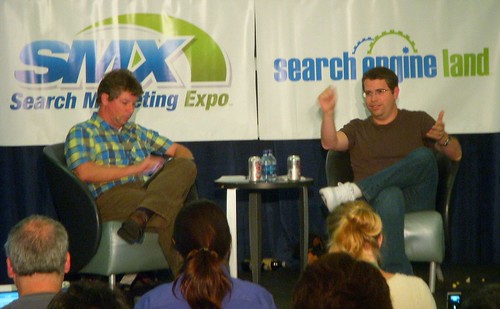
It was clear at this year’s “You & A With Matt Cutts” that he and Danny Sullivan had planned in advance to launch directly into addressing one of the top most-recent issues of interest to webmasters: the “Mayday Update” — so-named because the algorithmic shift occurred roughly around the first week of May, and because affected webmasters were left with a helpless feeling after their pages dropped in rank for long-tail search queries.
After the lifejackets and soda hijinks were over, Matt stated clearly and seriously that the Mayday Update was separate from and in no way caused by the Caffeine change. His statements further underscored statements he’d made earlier online. According to him, the ranking algorithm development team had decided, after consideration and testing, to publish a change based upon some “quality factors”, reducing the rankings of some deeper content pages for longer-tail queries.
Just as Vanessa Fox had opined in her piece on the Mayday Update, the weighting for keyword relevancy factors was likely reduced some in comparison to quality factors.
One thing that Matt suggested to those who wished to counteract Mayday’s effects was Continue reading →